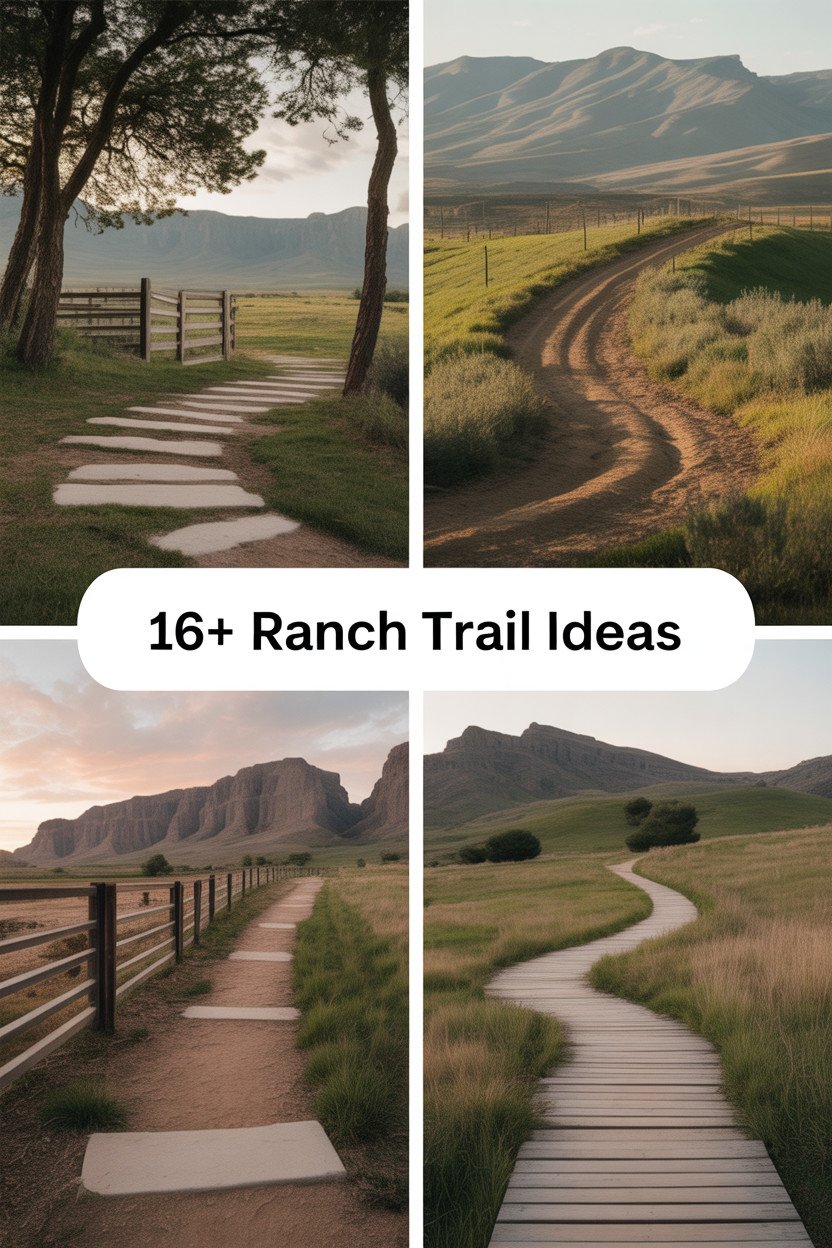
Imagine a place where the sun kisses the earth, and nature’s beauty unfolds before your eyes. Picture yourself surrounded by the soothing sounds of rustling leaves and chirping birds. This is the magic of a ranch trail experience, an adventure that promises both peace and excitement.
1. Wildflower Pathways

Wildflower pathways are a burst of color and life on your trail. They paint the ground with nature’s palette, offering a constantly changing scene as seasons shift.
Plant native wildflowers for a low-maintenance, eco-friendly path. These flowers will attract butterflies and bees, enhancing the natural beauty.
Creating a wildflower path isn’t just stunning; it’s beneficial for the ecosystem. Costs are minimal—just seeds and a bit of patience as they grow.
2. Rustic Wooden Signs

Add charm and guidance with rustic wooden signs. These signs not only help with directions but also add character to your trail.
Use reclaimed wood for a sustainable approach. Hand-paint the signs with words like “Adventure” or “Serenity” to personalize them.
It’s a simple DIY project that’s cost-effective. A little paint and creativity go a long way to make your trail inviting and informative.
3. Cozy Benches
Cozy benches along the trail offer spots to rest and admire the view. They invite visitors to pause, breathe, and soak in the surroundings.
Choose materials that blend with nature—wood or stone are perfect. Add cushions for comfort and a touch of color.
Benches can be bought or homemade, fitting various budgets. They make the trail more user-friendly, especially for families.
4. Birdhouses and Feeders

Hang birdhouses and feeders to invite feathered friends. Watching birds flutter and feed adds joy and life to the trail.
Select varied designs to attract different species. This not only beautifies the trail but also supports local wildlife.
Birdhouses are affordable and can be painted to match the trail’s theme. It’s an inexpensive way to enrich the natural experience.
5. Artful Stone Arrangements

Stone arrangements bring a sense of structure and art to the trail. They guide paths and can be used as decorative elements.
Use local stones for authenticity and sustainability. Arrange them in spirals or circles for a mystical touch.
These arrangements require creativity more than cost, making them a budget-friendly enhancement to the trail.
6. Water Features
The soothing sound of water transforms any space. Add a small fountain or pond to bring tranquility and attract wildlife.
Water features can be simple or elaborate, depending on your budget. Solar-powered options are eco-friendly and cost-effective.
They create a focal point, providing both aesthetic and acoustic benefits. It’s a great way to refresh the senses on a hot day.
7. Themed Trail Sections

Divide the trail into themed sections for a journey through different worlds. Themes like “Enchanted Forest” or “Desert Oasis” add excitement.
Use plants, decorations, and signs to differentiate sections. It’s like a mini adventure within your larger trail experience.
Themed sections are flexible in cost, allowing for creativity with available resources. They make the trail more interactive and memorable.
8. Nighttime Illumination

Illuminate the trail for a magical nighttime experience. String lights or lanterns can create a fairytale atmosphere.
Solar lights are cost-effective and easy to install. They highlight the path and ensure safety after dark.
Lighting transforms the trail, making evening walks as enchanting as daytime ones. It’s a simple way to extend trail use into the night.
9. Seasonal Decorations

Seasonal decorations keep the trail fresh and exciting year-round. Pumpkins in fall or lights in winter add festive touches.
Use natural, biodegradable materials for eco-friendly decor. This keeps costs down and reduces waste.
Changing decorations with the seasons ensures the trail always has something new to offer, keeping visitors coming back.
10. Picnic Spots

Designate areas for picnics to encourage longer stays. Picnic spots invite families and friends to enjoy meals amidst nature.
Provide tables or clearings with views. Add trash bins to keep the area clean.
Setting up a picnic spot is low-cost and high-reward, enhancing the overall experience by fostering community and relaxation.
11. Herb and Vegetable Gardens

Incorporate gardens with herbs and vegetables. They offer an educational element and a chance to harvest fresh produce.
Gardens can be as small or large as space allows. Label plants for a learning experience.
These gardens are a sustainable addition, promoting healthy living and providing a sensory delight for visitors.
12. Interactive Art Installations

Art installations that visitors can touch and interact with add a playful aspect to the trail. Sculptures or wind chimes engage the senses.
Choose durable materials to withstand weather. Local artists can provide unique pieces.
Art installations are a creative way to involve the community and make the trail a cultural destination.
13. Wildlife Observation Stations

Observation stations offer a chance to watch wildlife discreetly. They provide a window into the lives of animals without disturbing them.
Build simple shelters with binoculars for an interactive experience. Place near water sources for the best views.
These stations are educational and fascinating, appealing to nature lovers and curious minds alike.
14. Storytelling Spots
Storytelling areas with benches and a small stage invite gatherings and performances. Share tales of the land or host events.
Natural acoustics enhance the experience. It’s a chance to learn and share local history or folktales.
This idea fosters community and creativity, making the trail a place for connection and imagination.
15. Aromatic Plant Zones
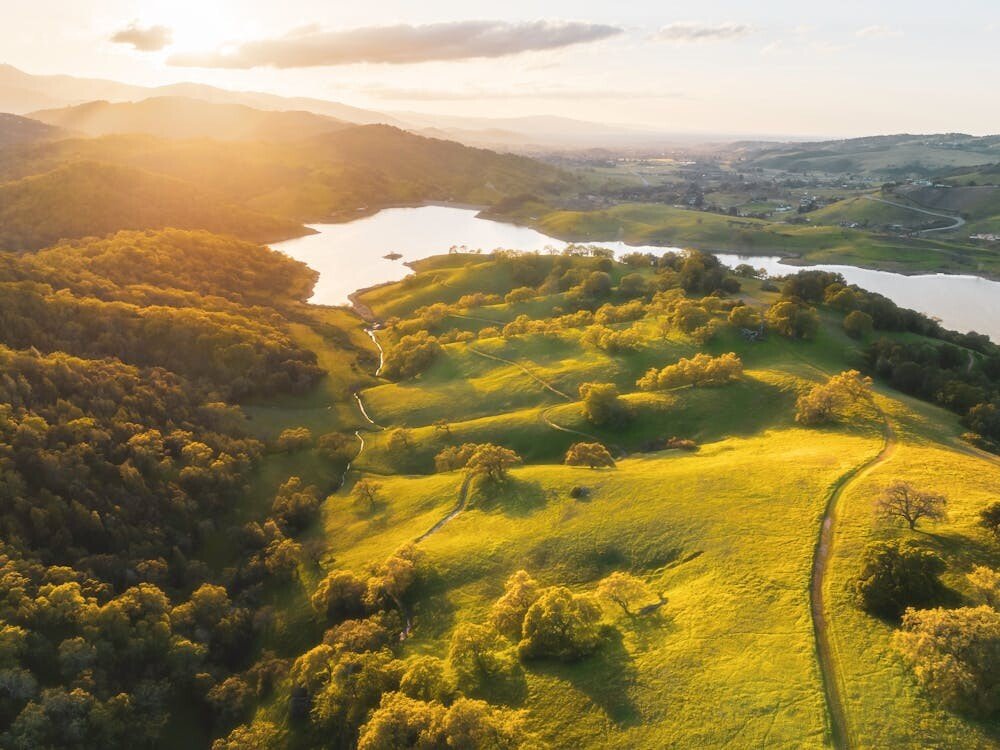
Plant aromatic herbs like lavender or mint along the trail. These areas offer a sensory experience as their scents waft through the air.
Herbs are low-maintenance and attract beneficial insects. Their aroma can be calming and refreshing.
Such zones are easy to set up and can be expanded over time, ensuring the trail is a feast for all senses.
16. Fitness Stations

Incorporate simple fitness stations for an active trail experience. Stations can include logs for balance or bars for pull-ups.
These additions encourage health and wellness, making the trail a dynamic space for exercise.
Fitness stations are cost-effective and promote a lifestyle of movement, appealing to both serious athletes and casual walkers.
17. Pet-Friendly Paths
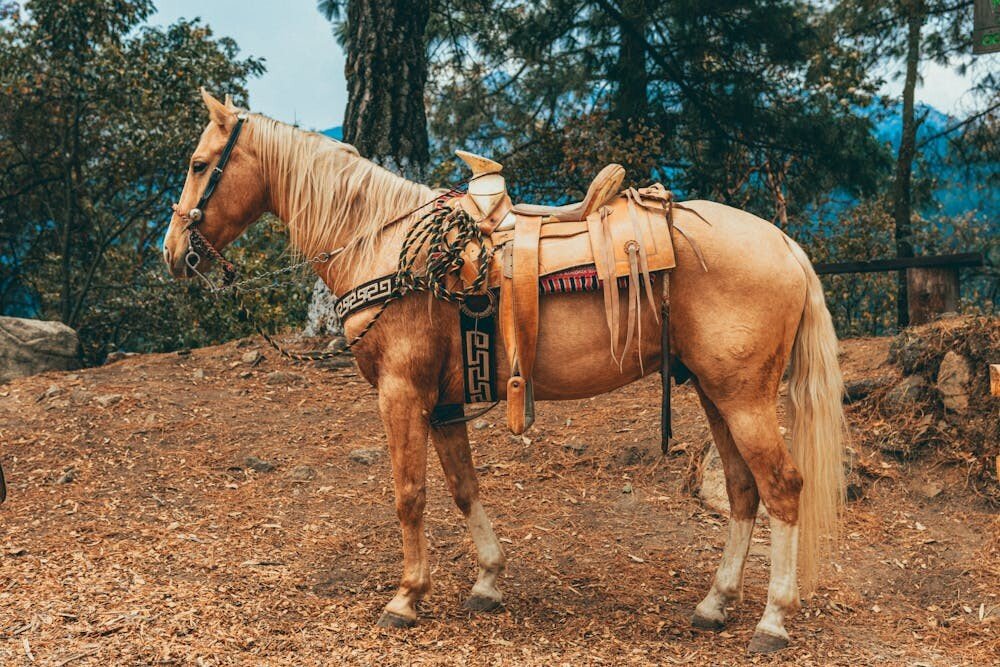
Create paths with pet amenities for an inclusive experience. Water stations and waste bags ensure a pleasant visit for furry friends.
Clear signage helps guide pet owners. Consider separate trails for pets to ensure everyone enjoys their visit.
These paths welcome a wider audience, making the trail a favorite spot for pet owners and their companions.